Tenjimbashi Aoki
Osaka, Japan
2 Stars


The Experience
From Michelin Guide
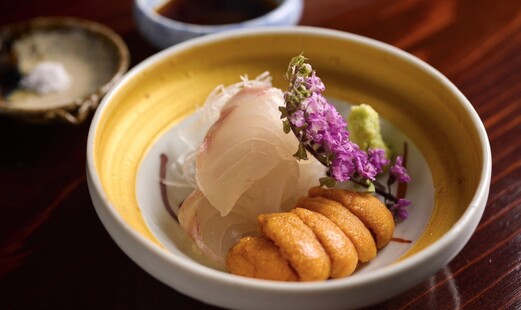
Scrupulous attention is paid to the ceremonial space, cuisine, serving vessels and sense of the seasons. The chef learned his guiding principles at a restaurant in Hozenji Alley. Entrusted with preparing the appetiser platters, he became schooled in the knowledge and aesthetics of Japanese cuisine. Aiming for artistic beauty in all aspects, he grows his own flowers to decorate the sukiya interior and collects seasonal serving vessels to delight guests. Technique, experience and sensibility all merge to create assortments of dishes that celebrate the seasons and their festivals.
From Visitor Experiences
Intimate Dining Experience
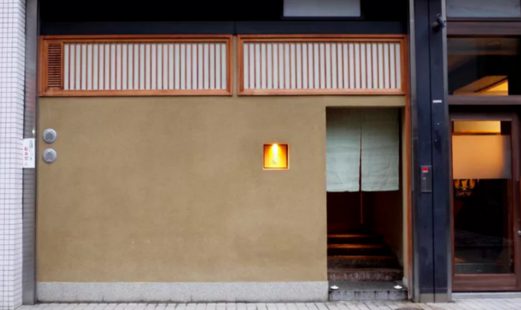
- Tenjimbashi Aoki features only eight seats, creating a highly personalized and intimate dining atmosphere.
Seasonal Aesthetics
- The chef grows his own flowers to decorate the restaurant's interior, emphasizing the connection between food and nature, and collects seasonal serving vessels to enhance the dining experience.
Wabi-Sabi Philosophy
- The restaurant's design and culinary presentation reflect the wabi-sabi philosophy, celebrating the beauty of imperfection and the transient nature of life.
From Visitor Experiences
Signature Ingredients
- Foraged leaves: These leaves are meticulously gathered by the chef to enhance the visual and flavor profile of the appetizers, showcasing the restaurant's dedication to seasonal and local sourcing.
- Marinated fish: The fish served is often marinated to bring out its natural flavors, paired with rice cooked in earthenware pots, creating a harmonious blend of textures and tastes that reflect the essence of Japanese cuisine.
- Earthenware rice: The rice is prepared in traditional earthenware pots, which not only enhances its flavor but also embodies the restaurant's commitment to authentic cooking methods.
- Seasonal serving vessels: The use of carefully selected seasonal serving vessels adds an artistic touch to the dining experience, reflecting the restaurant's attention to detail and aesthetics in presentation.
- Homegrown flowers: The chef grows his own flowers to decorate the dining space, emphasizing the connection to nature and the seasons, which is a core principle of the wabi-sabi philosophy embraced by the restaurant.