Shokuzen Abe
Tokyo, Japan
1 Star


The Experience
From Michelin Guide
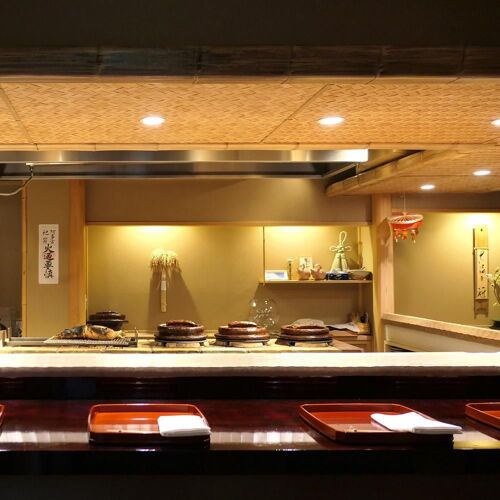
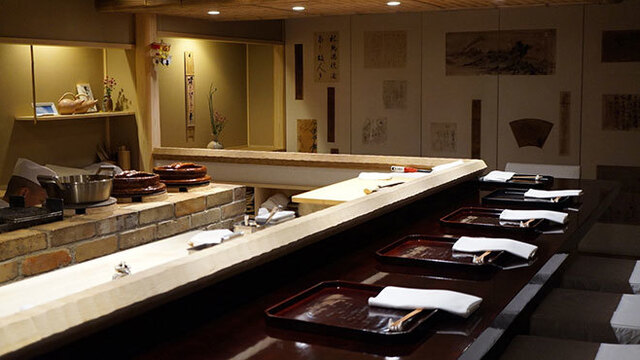
The chef admired a certain chef in Kyoto as a youth and burnished his skills to try to measure up. That spirit shines in details such as the charcoal brazier and wood-fuelled stove installed in the kitchen. Rice served in clay pots ranges from barely-cooked (niebana: ‘when the first steam rises’) to scorched; enjoy savouring how its character changes depending on the moment it is dished out. White miso soup infuses dashi stock of vegetables and kombu kelp, a staple of shojin ryori. Kyoto vegetables are used in takiawase. The chef breathes Kyoto cuisine into his menu, creating memories that linger.
From Visitor Experiences
Kyoto technique, transplanted to Ginza
- The kitchen is built around Kyoto cooking, with a charcoal brazier and a wood fuelled stove, and a menu that keeps returning to the rhythms of kaiseki and shojin.
Rice as the centrepiece
- Clay pot rice is served at different moments, from the first rise of steam to the scorched finish, so the diner can track how aroma and bite change in real time.
Shojin leaning soup, made from vegetables and kelp
- A white miso soup infused with vegetable and kombu dashi sits at the core, with Kyoto vegetables used in takiawase.
From Visitor Experiences
Signature Ingredients
- Rice cooked in clay pots, served across stages from just steamed to lightly scorched, with texture as the point.
- Vegetable and kombu dashi, used as a base for a white miso soup rooted in shojin ryori.
- Kyoto vegetables, used in takiawase style preparations that keep the cuisine anchored in Kyoto technique.