Hyotei
Kyoto, Japan
3 Stars



The Experience
From Michelin Guide
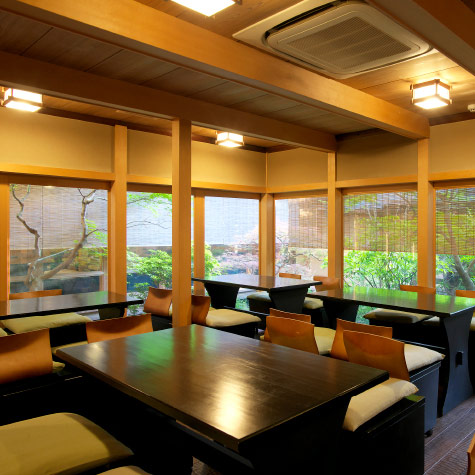
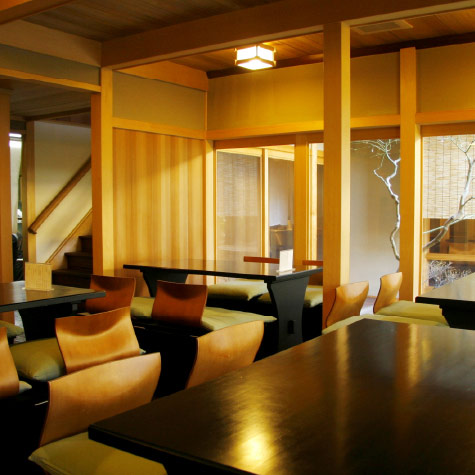
The aesthetic of ‘wabi-sabi’, restraint and impermanence, breathes in the walls of this veteran ryotei. The garden of moss-covered stone lanterns and washbasins, channels flowing with clear streams from Lake Biwa and a still, quiet tea arbour all give it a shadowed atmosphere. Hyotei eggs are a tradition handed down through generations from the founder. Eiichi Takahashi changed the dashi from dried bonito to dried tuna; tomato and soy sauce gracing Akashi sea bream sashimi is a permutation courtesy of the current chef, Yoshihiro Takahashi. Over the years, layers of innovation build up to cater to changing tastes: tradition and mutation, two sides of a coin.
From Visitor Experiences
A 450-Year Legacy
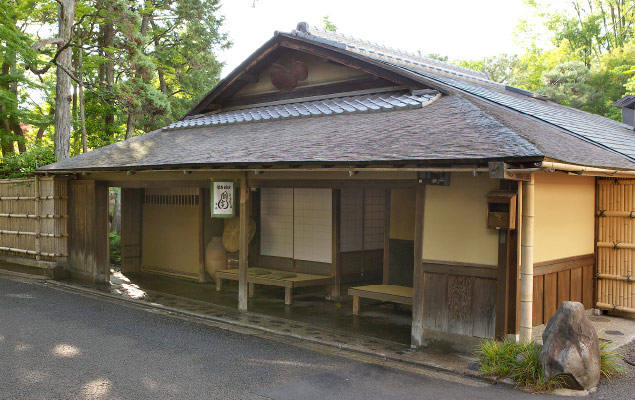
- Hyotei has been serving guests for over 450 years, originally established as a tea house for pilgrims visiting the nearby Nanzen-ji Temple.
Seasonal Breakfast Offerings
- The restaurant is renowned for its unique breakfast options, including a two-course meal featuring a large selection of tasting plates and a congee served with miso sauce, showcasing seasonal ingredients.
Independent Tea Rooms
- The main building of Hyotei is divided into independent tea rooms, each with its own atmosphere, preserving the traditional thatched roof from the restaurant's founding era, emphasizing the values of harmony and tranquility.
From Visitor Experiences
Signature Ingredients
- Hyotei Egg: A soft-boiled egg served cut in half, renowned for its exceptional flavor and texture, often described as the best egg one can taste. This dish exemplifies the restaurant's focus on simplicity and quality.
- Asagayu (Rice Gruel): A traditional breakfast dish made from rice, served in a light, comforting porridge form, particularly popular in the summer. It showcases the restaurant's dedication to seasonal ingredients and local flavors.
- Uzuragayu (Quail Porridge): A winter specialty made with quail, highlighting the use of local and seasonal ingredients, providing a rich and warming dish during colder months.
- Tilefish: Marinated in wine, this fish is a highlight of the menu, showcasing the chef's innovative approach while respecting traditional Japanese culinary techniques.
- Pickled Vegetables: A selection of seasonal pickles served as part of the breakfast tasting plates, emphasizing the importance of local produce and the art of preservation in Japanese cuisine.