Akasaka Kikunoi
Tokyo, Japan
2 Stars


The Experience
From Michelin Guide
Kikunoi’s pedigree is in ryotei culture, with its deep roots in Kyoto. Cobblestones hemmed in by bamboo and the harmonious ambience of sukiya-style architecture put the mind at rest. An attractive feature is the choice of tatami mat or counter seating, combining the charms of ryotei and kappo. The menu is identical to the Kyoto flagship, with ingredients and even water sourced from the ancient capital, ensuring consistency of flavour. Akasaka Kikunoi is devoted to its mission of spreading the message of Japanese cuisine to the world.
From Visitor Experiences
Kyoto flavors and ingredients, delivered to Tokyo
- Akasaka Kikunoi is the Tokyo outpost of Kyoto's historic Kikunoi, preserving Kyoto flavors in the heart of Tokyo. Ingredients are shipped twice weekly from Kyoto, and a dedicated space within Kikunoi's premises packages Kyoto vegetables and Akashi sea bream so guests in Tokyo can enjoy the same flavors as Kyoto; the kitchen team also maintains a tradition of visiting farmers to source premium Kyoto produce.
Two-different dining faces: ryotei and kappo with chef-view counter
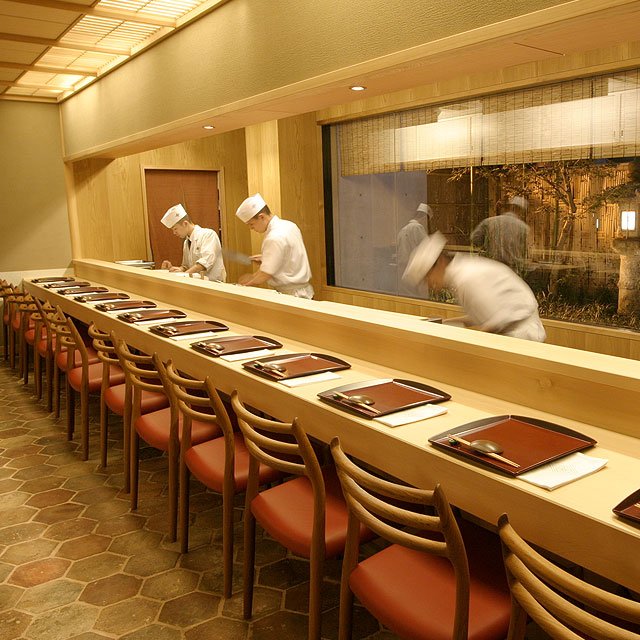
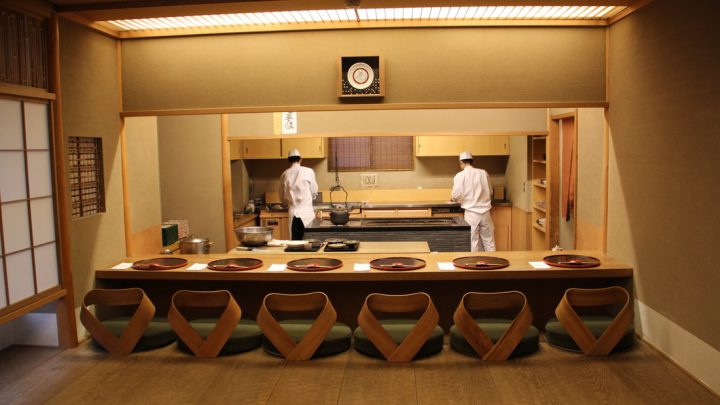
- The restaurant has two faces: a formal traditional ryotei and a counter-side kappo where you can watch the chefs at work. On the first floor, there is a 13-seat long counter plus an elevated 6-seat counter; on the second floor there is a teahouse-style sukiya room and authentic tatami rooms, with horigotatsu seating and semi-private options, offering varied dining experiences.
A Kyoto-style sanctuary in Tokyo: architecture and atmosphere that transport you
- Set amid Tokyo's skyscrapers, Akasaka Kikunoi is reached via a narrow stone path lined by bamboo, and its interior features Kyoto-inspired sukiya aesthetics, a tea room, hanging scrolls, and seasonal floral arrangements, creating an immersive Kyoto atmosphere that makes diners feel they’ve stepped into Kyoto even while in Tokyo.
From Visitor Experiences
Signature Ingredients
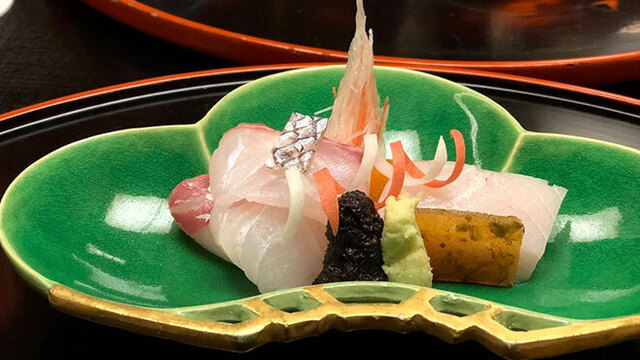
- Akashi sea bream: Chef Murata’s prized Akashi sea bream anchors the menu with pristine sashimi and delicate flavor. Sourced from a long-standing fishmonger in Akashi on the Seto Inland Sea, the restaurant even trains with crews to learn the best selection. The fish appears as sashimi and in seasonal courses, celebrated for its clean, sweet aroma and firm texture.
- Kuruma ebi (Japanese tiger shrimp): A plump Kuruma ebi accompanies the Akashi sea bream in the kuchidori platter, highlighting the contrast between shellfish and fish while contributing subtle sweetness and a bright, brassy aroma to the course.
- Kyoto vegetables: A defining element of Kikunoi in Tokyo, Kyoto vegetables are procured through direct supplier relationships and field visits by the chefs. They are prepared in a dedicated space for Tokyo guests, underpinning the seasonal menus with vibrant color, texture, and depth, reflecting Kyoto's terroir and the revival of Kyoto vegetables.
- Ayu (sweetfish): A seasonal favorite tied to early summer, ayu from Lake Biwa represents the restaurant’s emphasis on seasonal river fish. Renowned for its delicate sweetness, ayu is celebrated as a signature ingredient in early summer iterations.
- Bamboo shoots: In spring, the restaurant showcases bamboo shoots as a premier expression of the season, prized for their tenderness and natural sweetness and used across multiple courses.
- Matsutake mushrooms: An autumn highlight, matsutake delivers a distinctive aroma and depth that elevate several courses, embodying the rustic-elegance philosophy of the kitchen.
- Wagyu beef: Also a hallmark of autumn, top-quality wagyu beef appears in seasonal preparations, offering rich texture and umami that contrast with lighter fish and vegetables in the Kaiseki progression.